Mapping India’s AI agent economy
Amani Chowdhry & Swarnima Bhattacharya
Nov 11, 2026
Nov 20, 2026

For decades, Indian consumers treated foreign brands as premium, and Indian brands as the cheaper alternative. Local products were something you settled for. Even Indian companies often used foreign-sounding names (Park Avenue, Louis Phillippe) and aesthetics (white people as models!) to sell at a higher price.
That hierarchy has changed. Indian identity now creates value in two ways. As branding, it gives a product a distinctive story and pricing power. As insight, it helps founders recognise needs that are specific to Indian lives and build strong products around them.
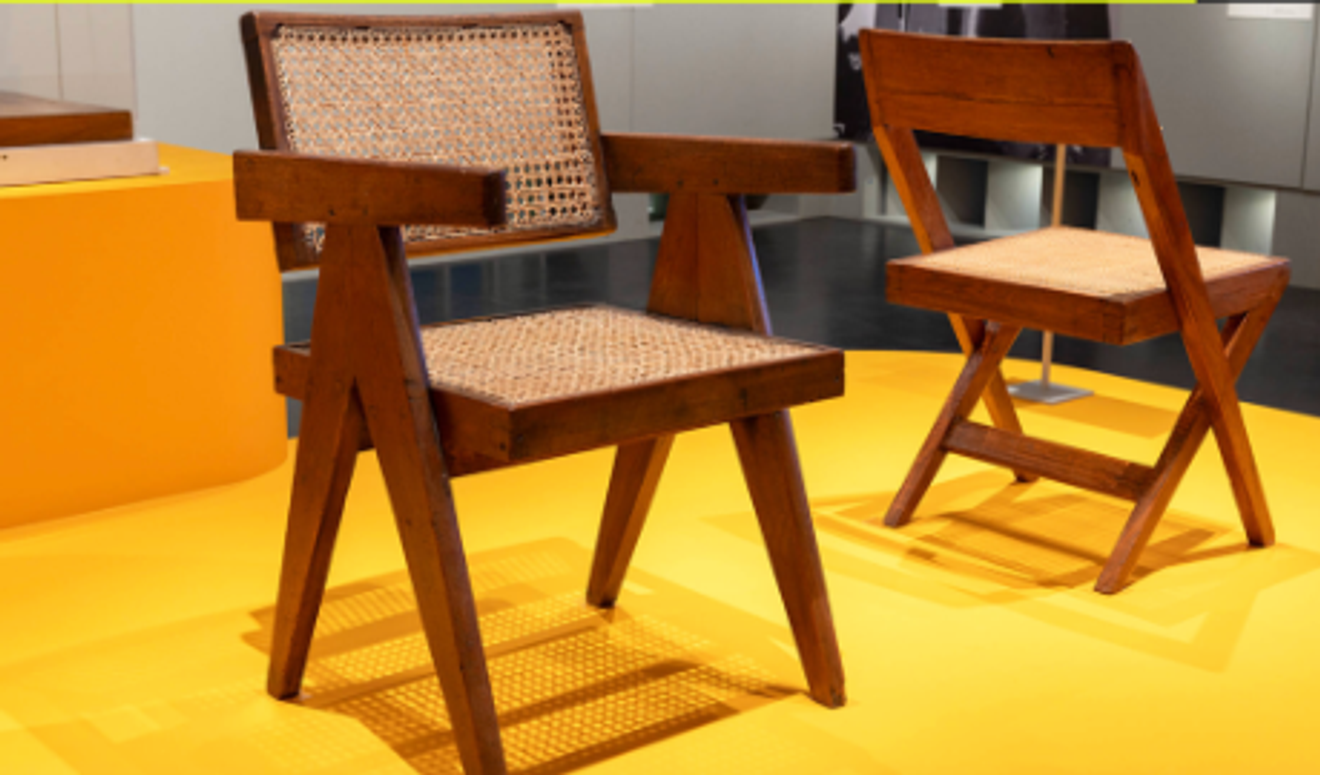
The inversion: Indian consumers no longer assume that “foreign is better”
Indian brands outperformed imported brands across major categories: 42% versus 19% in clothing and accessories, and 45% versus 19% in personal care and packaged foods.
Foreign brands still carry status in parts of the market. But Indian consumers no longer assume that quality comes from elsewhere. They increasingly choose Indian brands because of their design, values and understanding of local needs.
Authentic Indian identity now carries a premium
For many products, the premium comes from the story: who made it, where it came from and which memory it carries.
Jhaji is a useful example. The Darbhanga-based pickle company was rejected by every investor when its founders appeared on Shark Tank India. Today, it is valued at around $7.9 million and ships more than 10,000 orders a month. Jhaji sells pickles, but its real differentiation is Mithila: the ancient city in India steeped in mythology, its recipes, regional taste and sense of home attached to the jar.
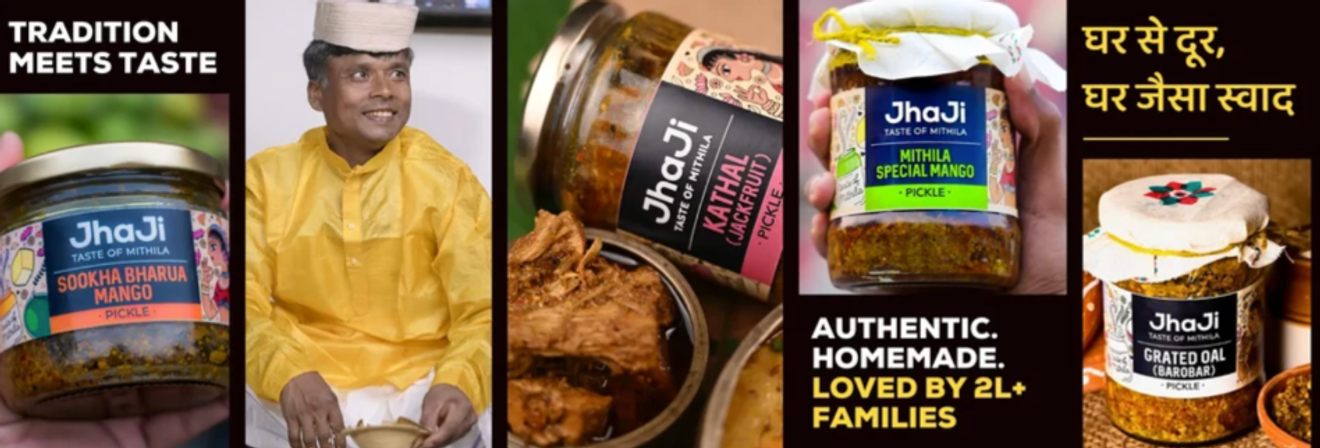
This works at two levels. “Indian” has become a positive signal nationally. A more precise identity- Mithila, Kumaon, Kolhapur- adds provenance and makes the story harder to copy.
The Prada-Kolhapuri controversy showed how far this shift has travelled. When Kolhapuri-inspired sandals appeared on Prada’s Milan runway without attribution, the backlash was immediate. Prada later acknowledged the design’s Indian origins. The episode revealed that Indian craft now has the influence to shape global luxury; and the authority to demand recognition for it.
Indian design has matured alongside this shift. Brands now use Indian references with more restraint: through a texture, tone, symbol or quiet detail. The result feels rooted, modern and confident. India has moved from being treated as an inspiration source to becoming a creative authority in its own right.
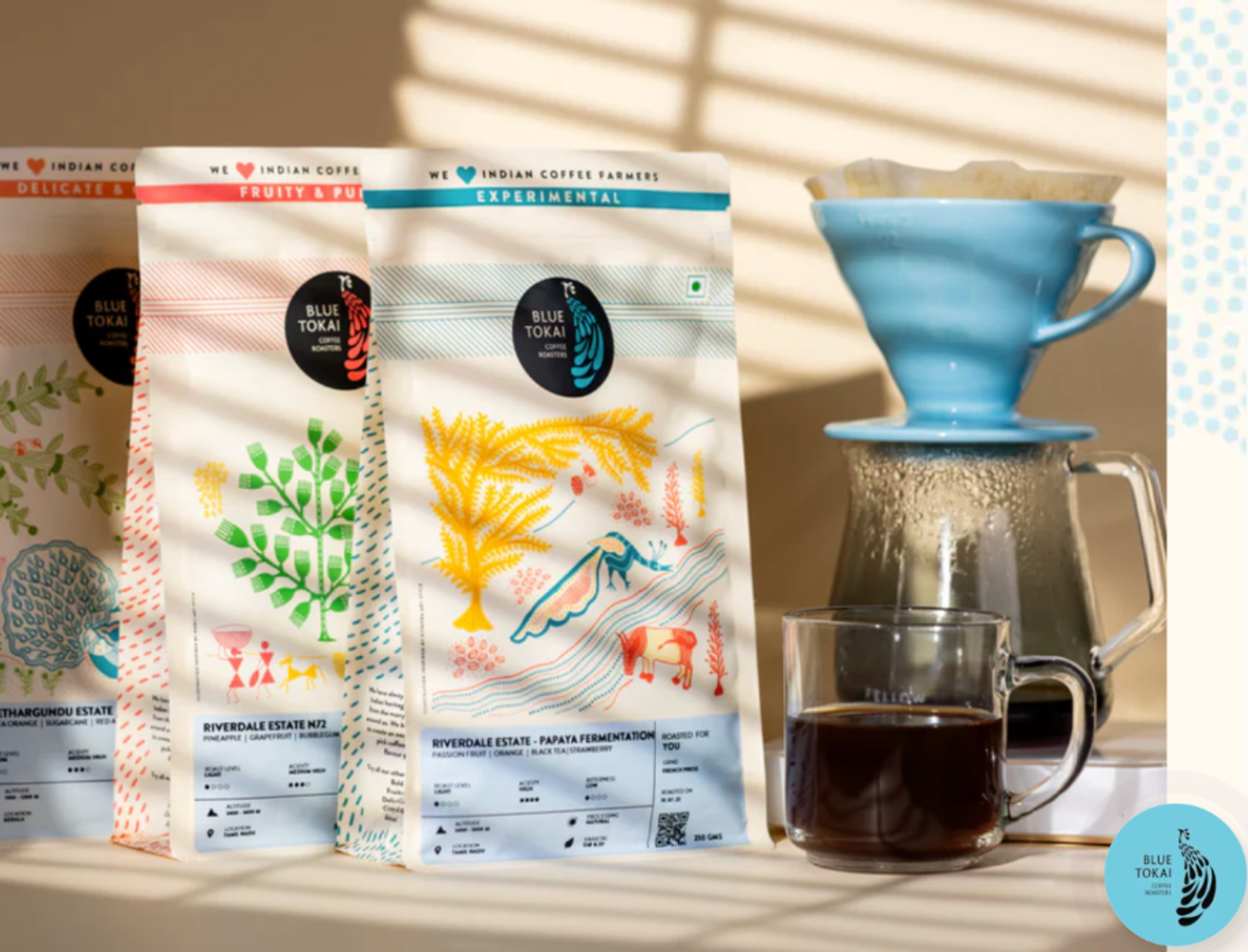
Indian-ness as insight: Uniquely Indian challenges are shaping better products
Indian life gives founders access to problems that are difficult to see clearly from outside the country. Our portfolio company Nuuk began with one such question: why should Indian households have to choose between appliances that function well and appliances designed for the homes people want to live in? Existing Indian brands offered reliability, while global design-led products sat at a far higher price point. Between them was a growing group of consumers with rising aesthetic expectations, constrained spaces and few products designed for their changing domestic lives.
Nuuk is building a design-first appliance brand in response. Its Indian-ness sits in the original insight: a close reading of how Indian homes and consumers were changing.

Insights like these are an important part of how we invest at Good Capital. The rise of Indian identity gives many brands a powerful tailwind. We are especially interested in companies that turn a uniquely Indian observation into an excellent product.
India offers founders a valuable starting point: dense households, fragmented markets, trusted intermediaries, high aspiration and sharp value consciousness. These conditions reveal problems early and in unusually complex forms. The strongest founders use that understanding to build products whose quality travels beyond the context in which they began.
The next global brands from India may not always look overtly Indian. They will be world-class brands built by founders who saw something India taught them to see. Indian-ness will shape both their identity and their insight.
Amani Chowdhry & Swarnima Bhattacharya
Nov 11, 2026

Amani Chowdhry & Arjun Malhotra
Sep 10, 2026

Radika Agarwal
Aug 6, 2026

Shreyans Salecha
Jul 29, 2026
Stay Ahead of the Curve
Contact
Find the team member whose focus overlaps with what you’re building, or someone we both know who can introduce you.