
The Anatomy of a VC Analyst Call: What to Really Expect
Sharvi Dubey
Jan 31, 2025
By Sharvi Dubey
Apr 25, 2019
Entertainment is just the beginning
While entertainment providers (Hotstar, YouTube, Netflix, Amazon Prime Video) have seen a significant jump in content consumed, the first real mobile-native experience to arise from cheap & fast data is live-streaming.
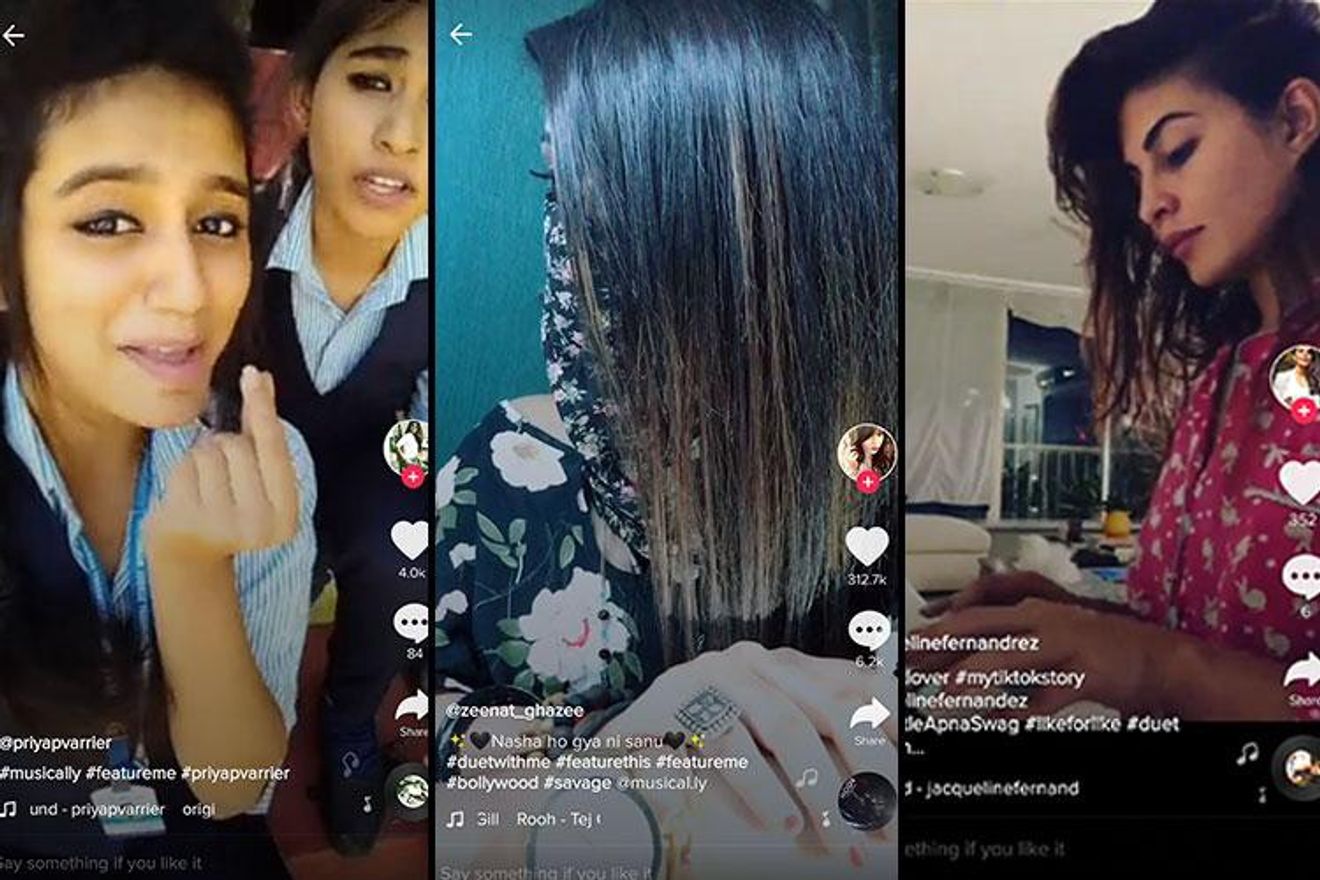
The way I see it, the recent emergence of platforms like Tiktok, Bigo, Helo, etc. demonstrates that the “next wave” of digital adopters in India (250–300mn Indians) are significantly time-rich as compared to their counterparts in global markets.
But, in many ways, I believe “entertainment” was the lowest-hanging fruit in the upcoming march of content.
This often requires reimagining existing solutions. Today, we’re talking about e-commerce; specifically, e-commerce enabled by content and assisted by human sellers.

The next frontiers of content
Cheap data enables high-bandwidth offerings. So the real question is how do we now get users to engage in higher value activities.
Why does e-commerce need to be different?
The e-commerce experience for the first-wave digital adopters (100mn Indians) has been fairly similar to what worked in foreign markets. This is because those consumers are fairly homogenous globally — they have shopped before in offline, urban retail (e.g. malls, global fashion brands, etc.) and modern e-commerce experiences built for them (e.g. Amazon, Flipkart) replicate this behaviour.

E.g. an “add to cart” button only makes sense to users that have wheeled a cart around a department store.
However, the next-wave users (250–300mn Indians) are online for the first time. Before smartphones, their only offline retail experiences are from their local marketplace with vendors they have known and trust personally.
Such interactions mitigate the concerns that are highlighted when modern e-commerce is imposed on next wave users.
Aside from trust, price, availability, etc., basic category knowledge — a prerequisite to making purchases — is often unformed. E.g. “How to measure shoe size” is a top search in the fashion category according to a Google & BCG 2017 report.
How can content help next wave users?
Digital commerce experiences targeting these users will have to apply analogues of offline retail which these users are more used to.

We believe 1. video-based, 2. real-time, interactive platforms that 3. enable middlemen (i.e. sellers, micro-influencers) will be central to this:
“Micro-influencers” We use this term to mean individuals within a language, micro-culture (sometimes geographic) and domain-specific category that can earn a supplementary income by building a brand online. E.g. personal gym trainers business selling supplements & protein bars, fashion-inclined housewives selling beauty products and clothes
1. In being video-based, such platforms help:
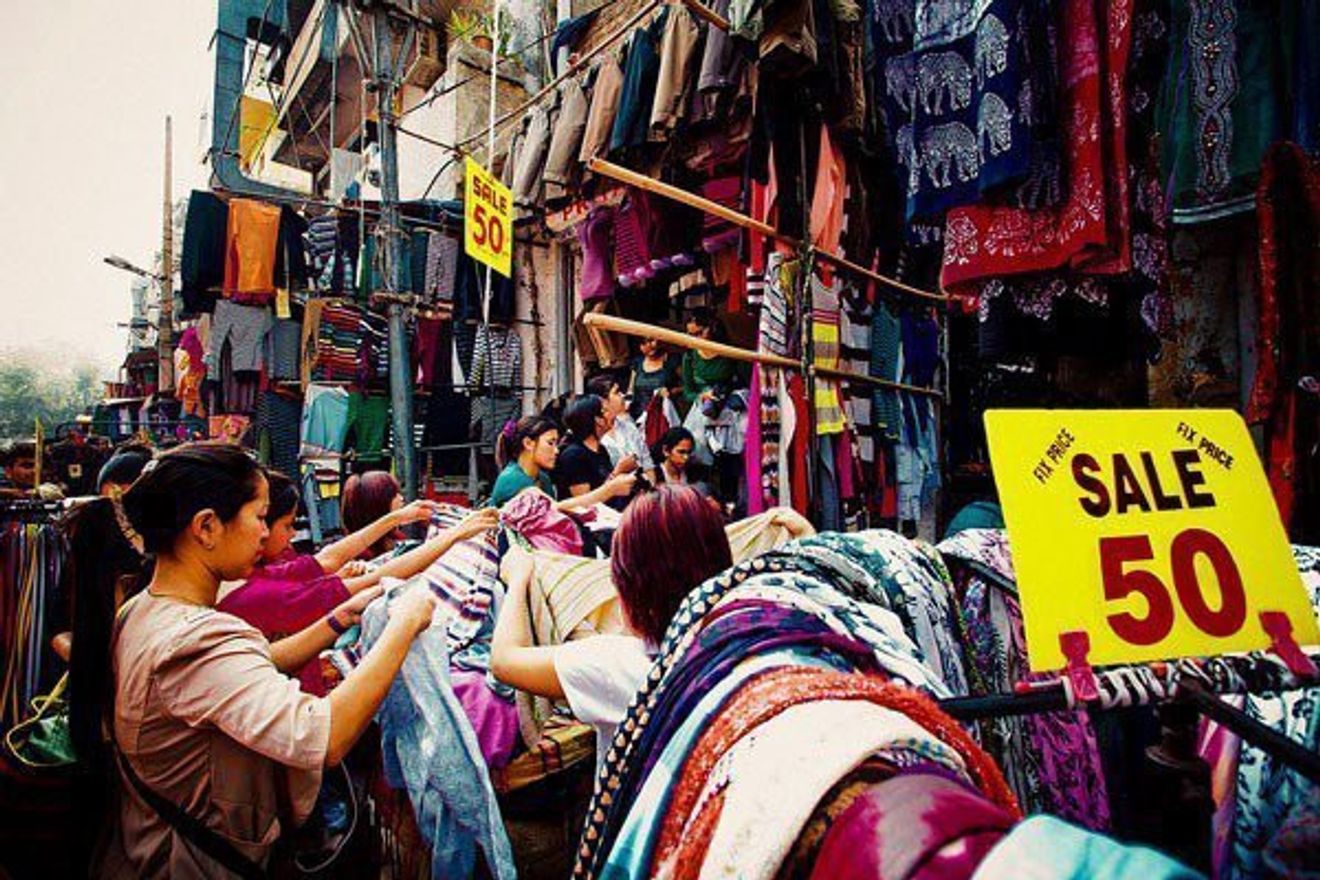
2. In being interactive, such platforms help:
3. In enabling middlemen, such platforms help:
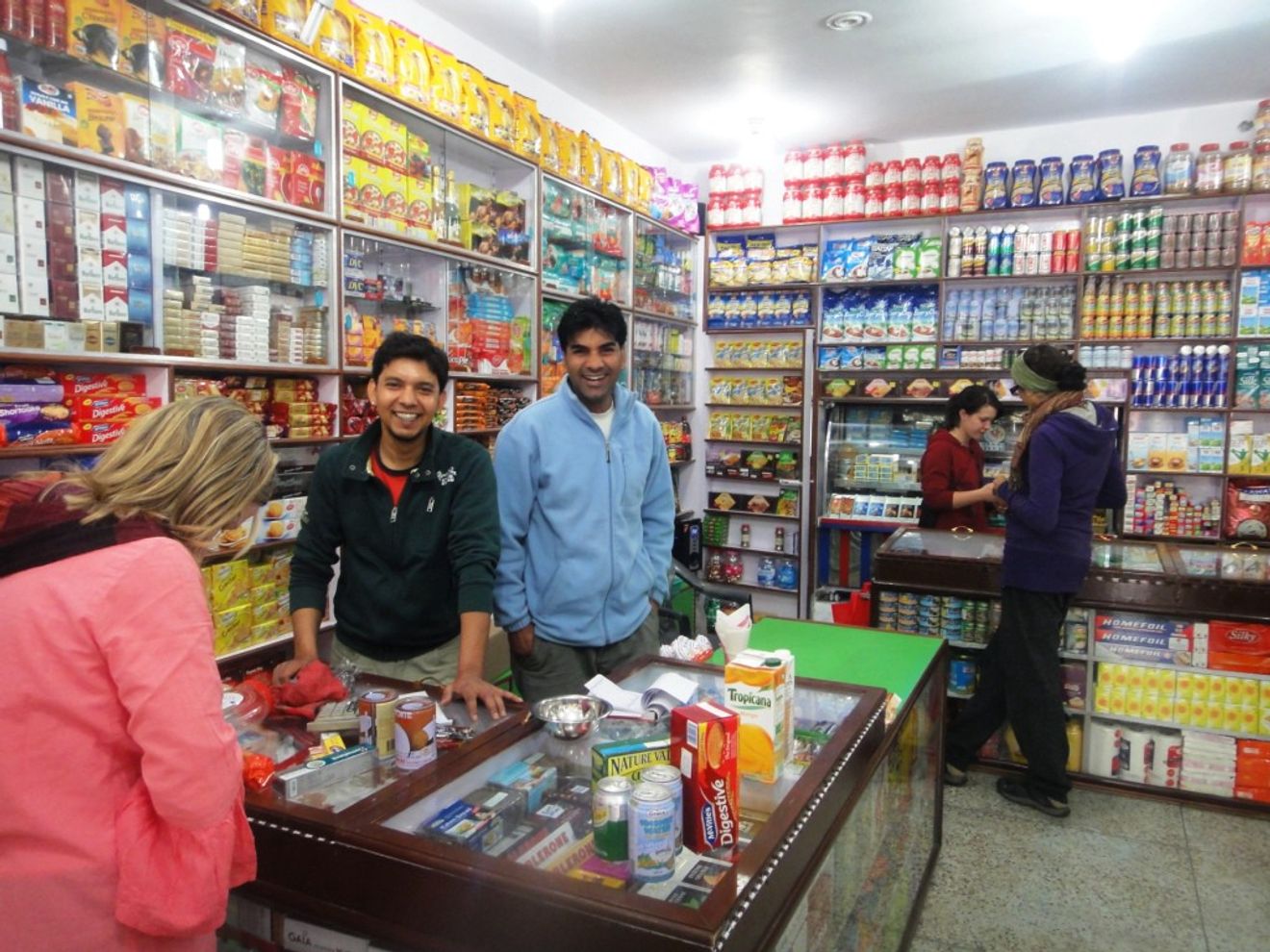
The combination of the 3 factors above builds intimacy between micro-influencers and the audience. Rather than being purely transactional, the relationship around the purchase becomes aspirational.
What we're reading Digital India: Technology to transform a connected nation [McKinsey] I recommend, at the least, skimming through the full report [PDF here] for its graphics.
Other highlights include:
Now, with "Old Town Road" at the top of the charts, both strategies see the artists with their first (pretty unusual) global number 1.
Subscribe to our newsletter to be notified of new posts.
Sharvi Dubey
Jan 31, 2025

Sharvi Dubey
Jan 17, 2025
Sharvi Dubey
Nov 20, 2024
Radika Agarwal
Oct 13, 2025
Arjun Malhotra & Amani Chowdhry
Jul 25, 2025
Arjun Malhotra & Amani Chowdhry
Jul 4, 2025
Stay Ahead of the Curve
Contact
Find the team member whose focus overlaps with what you’re building, or someone we both know who can introduce you.