
The Anatomy of a VC Analyst Call: What to Really Expect
Sharvi Dubey
Jan 31, 2025
Are you thriftin?
A latent activity has emerged in the social commerce sphere which is also enabling existing micro-influencers to become entrepreneurs by monetizing their reach on social platforms. We have found an extensive level of peer-to-peer e-commerce being executed through Instagram in what is currently a high-friction experience. (lack of transactional ability etc.)
Oyela is building a peer-to-peer (P2P) marketplace to cater to this latent demand. We believe the company is better equipped to understand the needs of the Indian market and consumer that lacks the same purchasing power as their western counterpart, Poshmark. The reason for that is that Oyela understands tier 2,3 India in depth and has understood that aspirational market by spending time with many thrift store influencers. Instead of solving for the obvious which was creating a platform where transaction was easier, they focused on what the micro-level pain points for them were (like ease of use, tech to solve for product appeal and creating content on their behalf, operational barriers of selling) and solved these bottlenecks with a bottoms-up approach. The team aspires to become the leading platform for Gen-Z & Millennials to sell, buy & engage with each other around fashion and apparel.
Currently, Instagram-like platforms use a discovery-first approach which means that users with larger followers reach large audiences regardless of the content they are creating is relevant. The differentiator in Oyela’s approach is a content-first approach, where they help sellers (who can be a common individual) easily set up shop and a content-based model helps it reach relevant users. Their content-first approach solves for discoverability which Instagram-like platforms do not (they are “reach-first” models and expensive to monetize) which helps them curate the medium for optimal buying and selling.
Why is this market exciting?
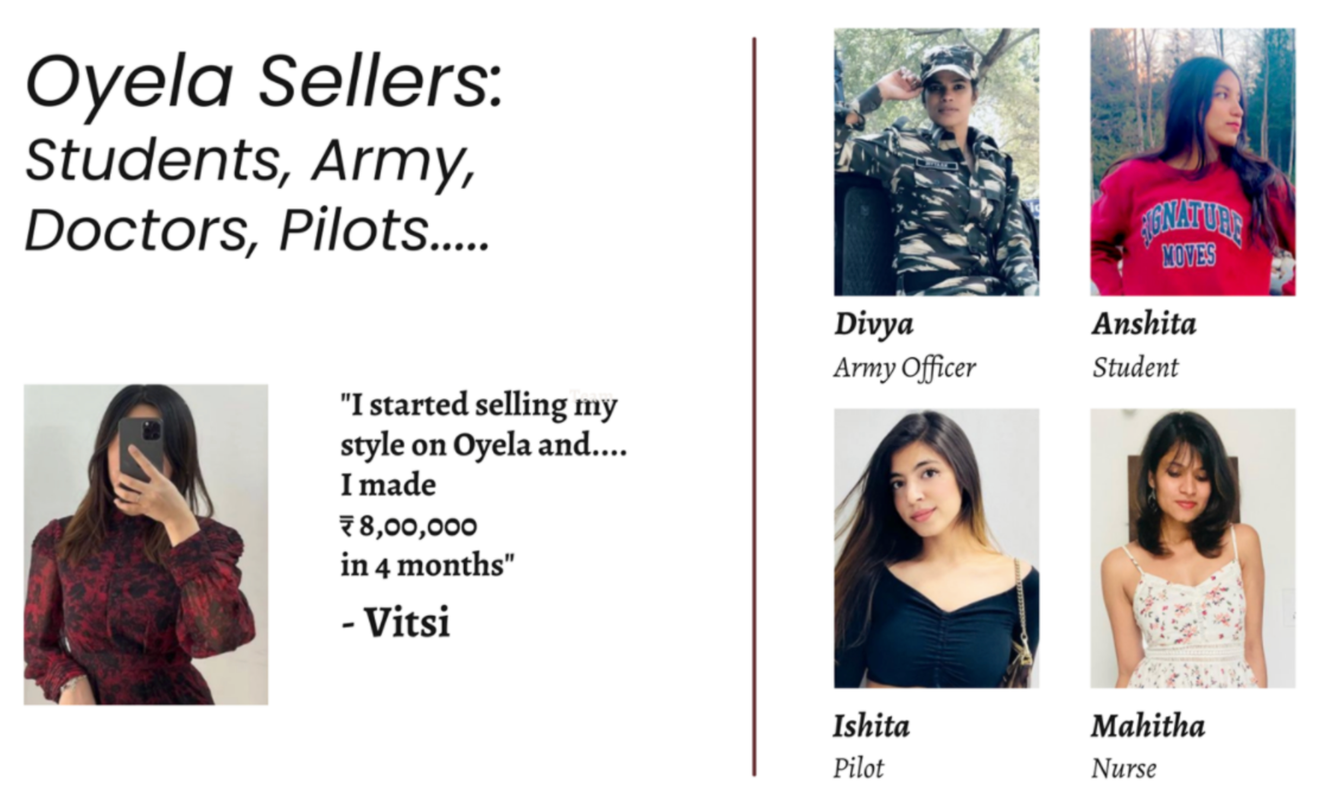
There is a change of behaviour observed on social media today, with several influencers building thrift stores that are selling newly sourced/pre-owned products to monetize through their reach and followers. They currently use their Instagram pages to catalogue and model products on themselves and then sell at discounted rates. These products range anywhere from clothing, jewellery to artwork: from their own wardrobe, or what they procure from brands / offline, to monetize on their reach.
The reason thrift stores are successful is that these micro-influencers create relatable content compared to larger fashion brands. Their followers are able to visualise products better, and in turn become customers. In addition, these are more affordable (or have the perception of being more affordable) and unique in nature, which is attractive to the average consumer. It creates the perception of being a “steal”.
The average cost of a clothing product at a primer fast fashion brand like Zara and H&M is INR 1,900, making it difficult for the masses who aspire to keep up with ever-changing trends. On the contrary, a large majority of these “thrift” products range from INR 500-700 making them more affordable. This is especially attractive to the generation addicted to Instagram because they:
Growth on Instagram is limited due to the crowded reach-first model wherein people who have more followers are able to also reach more users on Instagram.
Oyela has the first-entrant advantage in the non-metropolitan segment. The P2P thrifting marketplace is at an inflexion point where consumers are quickly realising that fast fashion is unaffordable at the scale it changes, similar to the West three years ago. In India, the age group of 18-24 lacks purchasing power, opening up a market for lower-priced products that can be purchased via peers, and keeping them up to date with ongoing trends.
Poshmark (global leader in thrifting pre-owned products, with a GMV of $1.2 billion) launched on September 15th in India recognizing this exact need. However, while successful in the west, they are still to recognize the difference in buyers and sellers, tiered cities and needs of the average Indian customer. Poshmark has entered the market with an intention to change the behaviour of how an Indian customer looks at the luxury and second-hand product space, coupled with a complex platform that does not cater to the mobile-first Indian audience.
Oyela on the other hand, in serving the needs of non-metropolitan customers has built an extremely simplistic, user-friendly interface.
The platform recognizes that the seller is looking for ease in
On the other hand, the buyer is looking for;
On the buyer side:
On the seller side:
Product
Interface
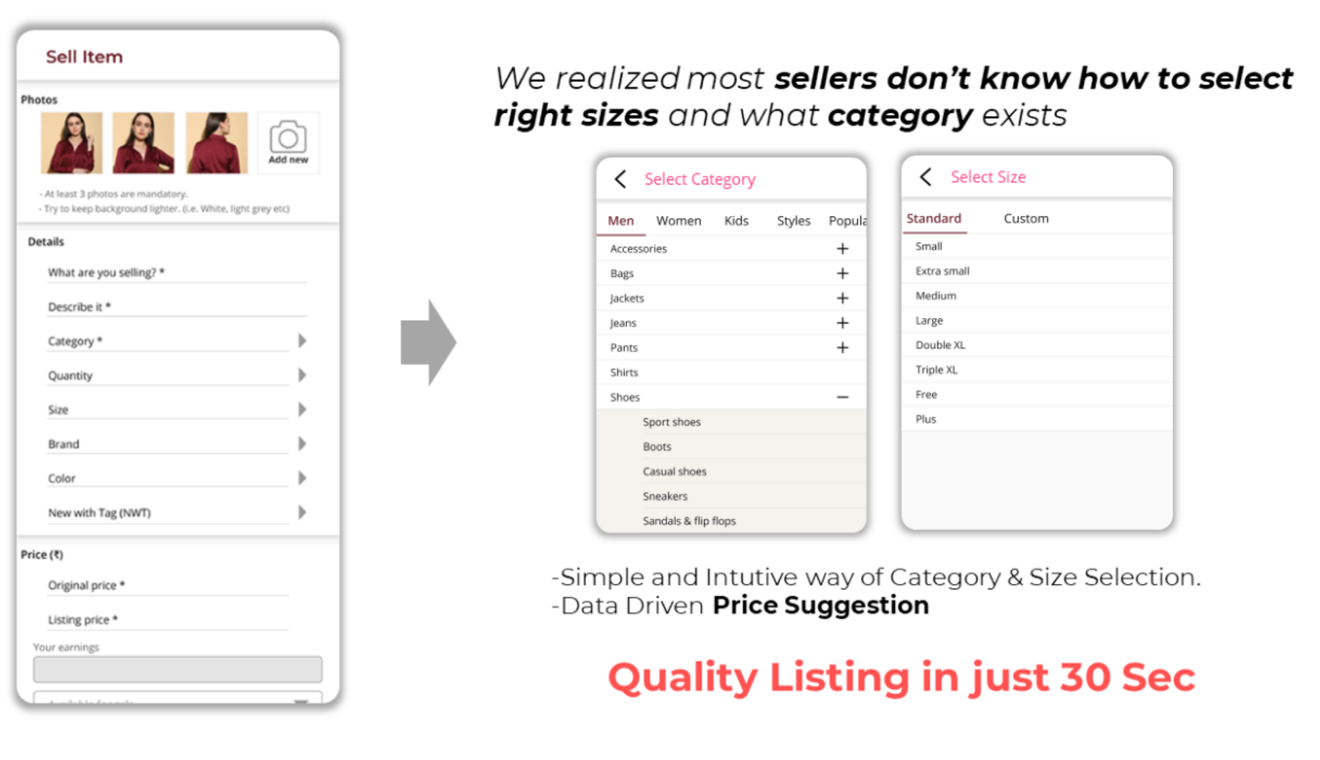
Oyela has created a very simple interface for these non-experienced sellers to upload their existing wardrobe as well as what they procure, to sell and become independent “micro fashion entrepreneurs”. By adding a simplistic drop-down based upload mechanism, listing on Oyela is a 2-minute job. The sellers also get price suggestions based on real-time platform data.
The platform also has the ability to scrape the internet for sizing per brand built into the product, making the possibility of going wrong with a purchase based on size minimal.
Platform
The platform enables ease in buying and selling, the ability to manage returns (a very high % in the apparel space) while making it operationally easier through Oyela’s technology optimization throughout the order fulfilment process.
Live Engagement ToolsApart from like and repost, the platform has Virtual Selling Events (Drops) & Group feature that lets sellers create their own sub-groups & engage with the community
Data-Driven GuidancePricing Guidance along with insights about how your profile is functioning, which product has the highest glance views, who are your potential buyers, what should you source in future.
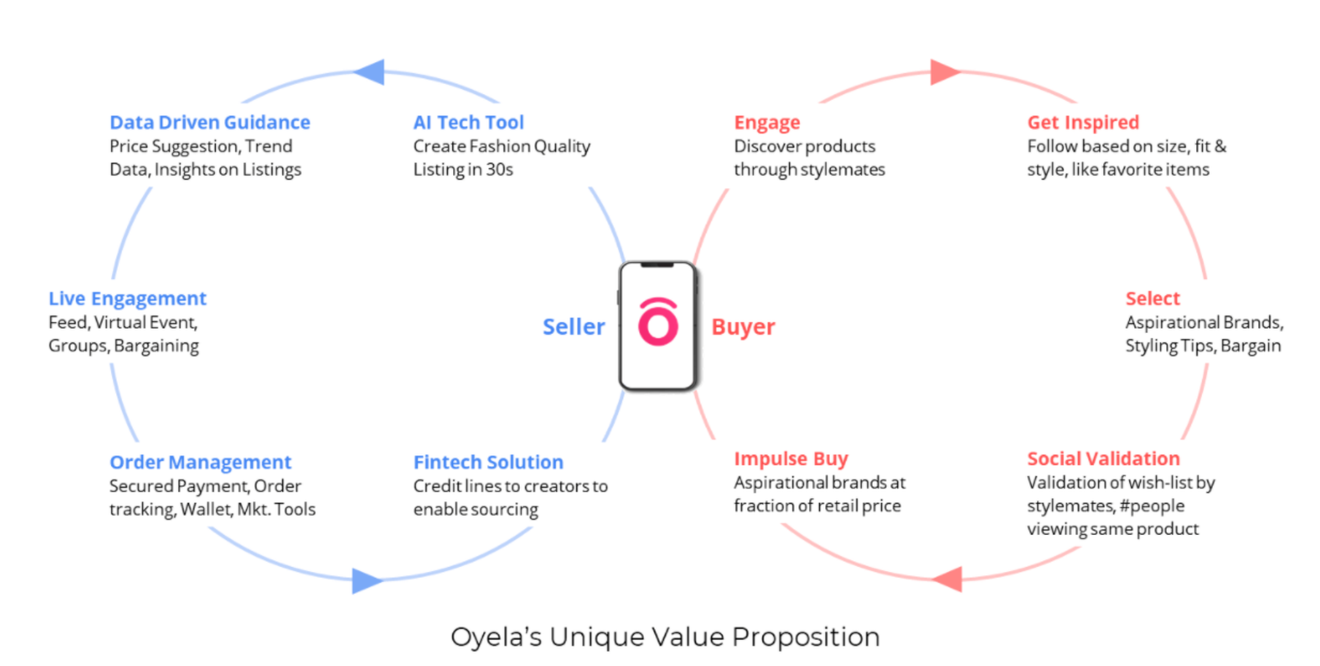
Order Management ToolsA very simple and fun order management tool to manage orders, disputes, rating & shipping from a mobile phone.
Credit lines & instant payout to sellersOyela’s sellers are individuals (as opposed to other e-commerce companies where sellers are vendors/suppliers). Hence unlike other e-comm players, Oyela cannot keep the payouts on hold till the buyer return window is over (as the sellers would need the money to source more). Through Oyela’s proprietary risk scoring algorithm, the platform is able to provide instantaneous payouts to all its sellers.
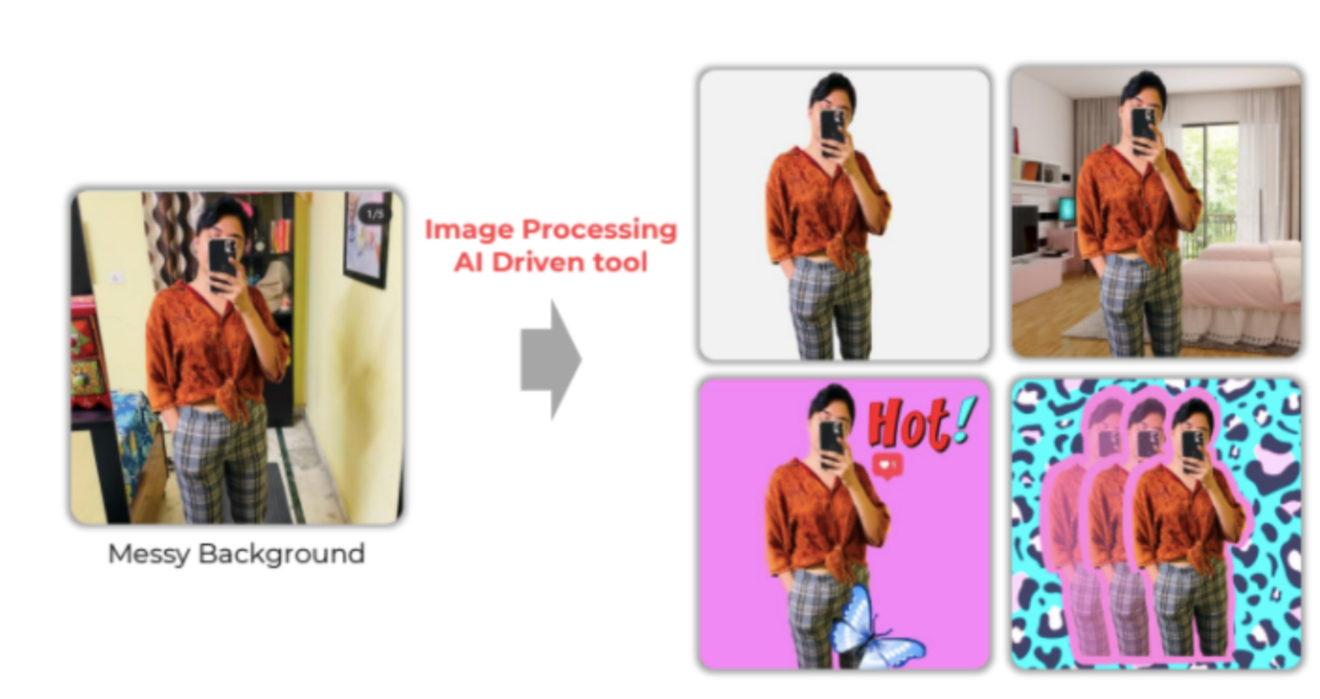
Image Processing tech toolOyela has quick-adds and easy image processing tools for sellers to make their products look more attractive to buyers with the least amount of effort.
What’s to come?
We are noticing the market trends in the thrift product segment, and we think this space is going to see tremendous growth in the upcoming years. Oyela’s bottom line is to ensure that Gen Z is not limited to platforms that do not enable them to transact faster and better. With this granular knowledge of the pain points, it’s set up to be successful in attaining the leading position in this space.
Sharvi Dubey
Jan 31, 2025

Sharvi Dubey
Jan 17, 2025
Sharvi Dubey
Nov 20, 2024
Arjun Malhotra & Amani Chowdhry
Sep 17, 2026
Arjun Malhotra & Amani Chowdhry
May 2, 2025

Radika Agarwal
Mar 20, 2025
Stay Ahead of the Curve
Contact
Find the team member whose focus overlaps with what you’re building, or someone we both know who can introduce you.